Inside Wall Street’s first tokenized IPO
There’s never a dull moment onchain. Here’s what you need to know this week:
Crypto’s rally hit a roadblock. Crypto prices were up more than 11% this week — until the Iran conflict rattled markets once again.
Strategy sold more bitcoin. Last month, the firm sold $2.5 million in BTC and markets shook. This week, it sold $216 million and markets barely reacted. What’s going on?
Wall Street’s first tokenized IPO. Top tokenization firm Securitize just issued $300 million in tokenized shares directly on Solana and Avalanche, no stock exchange needed.





MARKET BYTES
Crypto rebound runs into turbulence as Iran conflict heats back up
Following a very rocky June — the worst month for bitcoin in four years — July has gotten off to a sunnier start.
As of Tuesday, BTC was hovering around $64,000 (up almost 9% for the week), ETH was around $1,800 (up 13%), and the broader crypto market cap was up to around $2.13 trillion (with the Coinbase 50 index, which tracks major tokens, up around 11%). And after crypto ETFs saw their worst month ever in June, shedding $4.5 billion, inflows finally returned this week.
On Wednesday, with the Iran conflict seemingly heating back up, BTC fell back to around $62,000 — but remained well above last week’s lows that approached $58,000.
Here’s more news you should know…
What’s fueling crypto’s rebound?
Two potential factors were slower-than-expected U.S. payroll numbers and comments from Federal Reserve officials, which some traders believe suggest that near-term interest rate hikes have become less likely. As Fed chair Kevin Warsh put it, "Markets aren't signaling stress. Volatility is down, not up. Bond yields are falling and inflation expectations continue to decline."
Crypto traders generally see falling interest rates as a bullish signal because the combination of cheaper borrowing and lower returns on cash holdings tend to mean more capital flows to asset classes like stocks and crypto.
Oil prices — which ramped back up on Wednesday — had also generally fallen in the last month, helping boost markets of all kinds.
Heavy rotation?… A number of AI-related stocks, including those of major chipmakers, slid this week. “The spectacular gains in AI are conventionally thought to have drawn investor attention and capital away from crypto in recent months,” notes CoinDesk. “To the extent that it reverses for an extended period of time, might some of that money return to crypto?”
Strategy sold $216 million in BTC
Earlier this year, crypto markets were rattled after bitcoin accumulation giant Strategy sold 32 BTC (worth around $2.5 million at the time) from its hoard of around 845,000 BTC (worth around $52 billion).
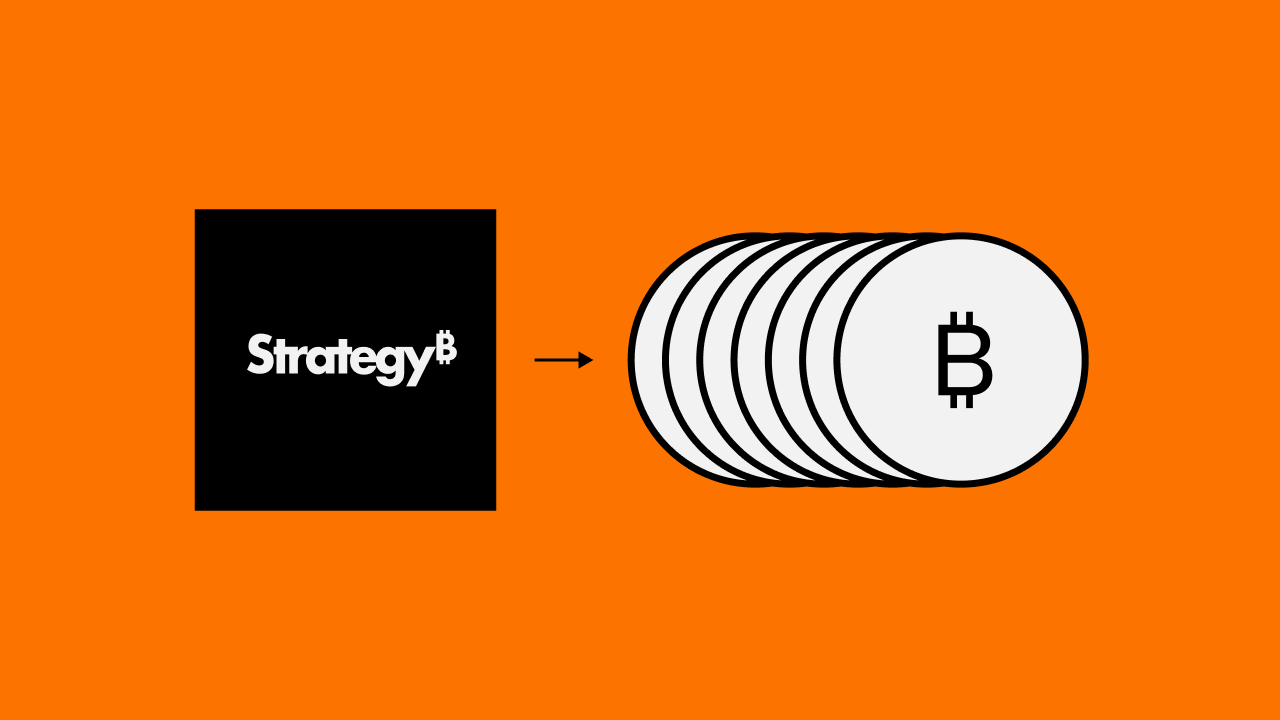
This week, Strategy made a much bigger sale, shedding 3,588 BTC for $216 million — and markets barely reacted. So what’s going on?
In addition to regular stock, Strategy has funded BTC purchases by selling shares of a preferred stock that offers 11.5% dividend. Late last month, around the time crypto prices hit their 2026 lows, the firm announced that it might sell up to $1.25 billion in BTC to increase cash reserves and avoid having to issue more shares. So markets may have already priced in some subsequent sales.
Strategy’s Ethereum counterpart, Bitmine Immersion Technologies, bought another 42,197 ETH worth $74 million, which brings the firm close to its goal of holding 5% of Ethereum’s circulating supply.
Seeking CLARITY… Bitmine CEO Tom Lee cited his hope that the landmark crypto regulation package known as the CLARITY Act would pass out of the Senate this summer. Around 42% of prediction market traders believe the CLARITY act will become law by the end of 2026.
WHALE STREET
What Securitize’s IPO means for Wall Street’s tokenization revolution
For the last several years, there’s been a steady drumbeat of news around Wall Street embracing blockchains and other crypto technology — especially the tokenization of assets — to modernize the global financial system.
This week, Securitize, the leading tokenization infrastructure firm on Wall Street, went public via an IPO that raised more than $400 million. The public offering included a novel component: the sale of $300 million in tokenized shares minted on the Solana and Avalanche blockchains.
What does Securitize’s IPO mean for crypto’s next chapter? Here’s what you need to know.
What is tokenization?
Tokenization is seen as a potential solution to inefficiencies in the traditional financial system. It’s the process of creating digital, blockchain-based tokens that can represent pretty much any real-world asset, including cash, stocks, commodities, bonds, real estate, royalties, art, and more. And since they’re on blockchains, they can be traded cheaply, instantly, around the clock, and with more transparency. Analysts say tokenization has the potential to expand access to new types of investments and create entirely new financial products for both retail and institutional investors.
The market cap for tokenized assets sits at around $33 billion, up nearly 300% over the past year, led by financial institutions playing a big role in pushing the growth of tokenized treasuries, gold, and stocks. Citi estimates that the tokenization market could grow to as much as $5.5 trillion by 2030.
What does Securitize do?
Securitize, the largest tokenized asset issuer, offers the infrastructure that allows firms to seamlessly convert real-world assets into blockchain-based tokens. Its best-known product is BlackRock’s BUIDL fund, which holds more than $2.2 billion in U.S. treasuries on Ethereum and pays a daily yield to investors.
Overall, the firm has more than $4 billion in tokenized assets under management, and oversees more than 650 funds, including a tokenized private credit fund from Apollo, a product that offers shares in a healthcare-focused private equity fund from KKR, and one that provides access to a blockchain-focused venture capital fund.
Since raising more than $400 million via the IPO, the company said it will also have its eye on acquisitions that can help it build a “one-stop shop" for its institutional clients.
Why is the IPO significant?
Securitize’s IPO marks a pivotal moment for tokenization, underscoring its shift from niche crypto talking point into a potentially multi-trillion dollar Wall Street sector.
“The idea that major institutions would embrace tokenized securities was still largely theoretical,” said founder Carlos Domingo of his early attempts to raise capital. “Today, tokenization is moving into the mainstream, and we believe becoming a public company gives us the visibility, credibility, and capital to lead.”
As part of the IPO, Securitize issued around $300 million in tokenized shares on Solana and Avalanche, becoming the first company to issue tokenized shares upon its debut.
How else is tokenization being used on Wall Street?
Major players across Wall Street are moving to build tokenization infrastructure – including the New York Stock Exchange itself, which partnered with Securitize earlier this year to develop standards for tokenized stocks and bonds.
The Depository Trust & Clearing Corporation, which settles securities trades in the U.S., is running a tokenization pilot that will allow the trading of tokenized shares of major ETFs and stocks on blockchain infrastructure.
And BlackRock, Franklin Templeton, and JPMorgan all already have tokenized funds built on public blockchains. “I do believe we’re just at the beginning of the tokenization of all assets — from real estate to equities to bonds, across the board,” said BlackRock’s CEO Larry Fink late last year.
NUMBERS TO KNOW
$12 trillion
The amount in assets under management held by Vanguard, making it one of the world’s largest investment firms. This week, Vanguard announced that it is seeking to hire someone to lead the firm’s digital asset strategy, marking the first time Vanguard has looked to hire specifically for crypto-related investments.
$1.79 trillion
USDC’s all-time high adjusted transaction volume in June, up 63% from the month prior. USDC has established a dominant position in stablecoin transactions, accounting for 70% of all stablecoin transaction volume in 2026, up from 10% in 2020, and 45% in 2022.
70 million
The number of people around the world who have gained access to clean water and sanitation via Water.org, a nonprofit organization cofounded by Matt Damon. The global organization uses Ripple’s blockchain payments infrastructure for cross-border transactions.
TOKEN TRIVIA
When did Ethereum launch?
A
2005
B
2010
C
2015
D
2020
Find the answer below.
Trivia Answer
C
2015
Coinbase Bytes
Your weekly digest of crypto news
Learn how we collect your information by visiting our Privacy Policy